
Best Socialization Activities for Chihuahua Puppies
Table of Contents
Why Socialization Matters for Chihuahua Puppies
How to Socialize a Chihuahua Puppy: A Practical Age-Staged Plan
Weeks 8-12: Foundation Building at Home
Weeks 12-16: Expanding Your Puppy's World
Months 4-6: Building Real-World Confidence
Introducing a Puppy to Other Dogs Safely
Confidence-Building Games for Puppies
Interactive Toy Play and Chase Games
Mental Stimulation Through Enrichment
Puppy Socialization Checklist: What to Expose Your Chihuahua To
Reading Your Puppy's Body Language and Respecting Consent
Common Socialization Mistakes to Avoid
Frequently Asked Questions
Last Updated: October 12, 2026
Why Socialization Matters for Chihuahua Puppies
Socialization means exposing a young puppy to different people, environments, sounds, and experiences in a positive, controlled way so they develop confidence and trust. For Chihuahuas, early socialization is non-negotiable, without it, these small dogs can develop anxiety or fear-based behaviors like excessive barking, nervousness around strangers, or defensive reactions that seem outsized for their tiny size.
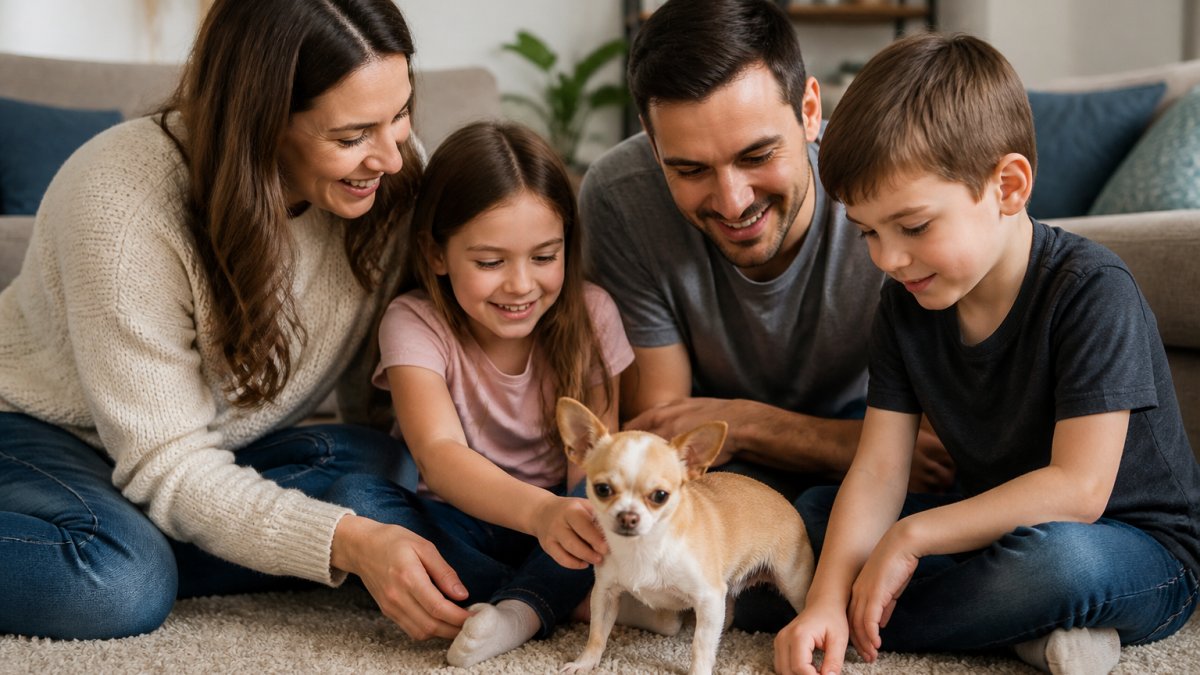
At Dreamer's Pups, we raise every puppy in a family environment surrounded by children and everyday household activity, giving them a head start. But socialization doesn't stop at eight weeks, the critical window for building confidence extends through the first six months.
A well-socialized Chihuahua thrives in family settings, handles vet visits with composure, and doesn't bark at every sound; a poorly socialized one becomes a source of stress for you and the dog. The good news: socialization doesn't require expensive classes or elaborate setups, just consistency, patience, and intentional exposure to new experiences.
How to Socialize a Chihuahua Puppy: A Practical Age-Staged Plan
Socialization isn't a single event, it's an ongoing process that changes as your puppy grows. Below is a stage-by-stage roadmap for best socialization activities for chihuahua puppies, broken into three critical phases.
Weeks 8-12: Foundation Building at Home
Your puppy arrives home during the most sensitive period for learning. The goal: create positive associations with everyday life without overwhelming their tiny nervous system.
Safe introductions to people: Start with immediate family, then invite one or two trusted friends at a time, never a crowd.
Household sounds and routines: Let your puppy experience normal home activity so the vacuum, dishwasher, doorbell, and running water become background noise rather than fear triggers.
Indoor exploration: Create a safe, puppy-proofed space where your Chihuahua can explore at their own pace. Different floor textures (tile, carpet, wood) feel different under tiny paws. Short, frequent sessions beat long ones, five minutes of exploration followed by rest is ideal.
Positive vet contact: We don't take our healthy babies to the vet to avoid exposing them to airborne viruses like Parvovirus, since the vet's office is where sick dogs go.
Pro Tip Keep these early sessions short, 10-15 minutes maximum. Chihuahua puppies tire quickly and overstimulation leads to fear, not confidence. End on a positive note before your puppy shows signs of stress.
Weeks 12-16: Expanding Your Puppy's World
By three months, your puppy's immune system is stronger and confidence is growing, time to expand socialization beyond the home.
Controlled outdoor exposure: Start with quiet environments, a calm park early in the morning, a quiet neighborhood street, or a friend's backyard.
Meeting friendly adults: Continue introducing people, but now in varied settings. Have different people (various ages, appearances, voices) interact with your puppy during short visits. Reward calm behavior. Chihuahuas that meet diverse people early rarely develop stranger anxiety.
Sounds beyond home: Car rides, doorbell variations, children playing outside, and lawn equipment at a distance are all valuable exposures. Keep volume and intensity manageable, if your puppy shows fear, back up and try again in smaller increments.
Introduction to other vaccinated dogs: If you have a healthy, vaccinated adult dog at home, supervised interaction is natural. If not, arrange playdates with one or two known, friendly dogs whose vaccination status you've verified.
Months 4-6: Building Real-World Confidence
Your puppy is now mobile, curious, and ready for more varied experiences as this phase introduces the real world.
Regular walking routes: Daily walks on the same route create predictability and confidence as your puppy learns the neighborhood and builds stamina. Vary the route occasionally, but consistency matters more than novelty at this stage.
Dog-friendly outings: Pet-friendly stores, outdoor cafes, and dog-friendly events expose your Chihuahua to crowds, different surfaces, and varied activity levels. Keep these visits short initially, 15-20 minutes, and always have an exit strategy if your puppy becomes stressed.
Obedience or puppy training classes: Group classes teach your puppy to focus on you amid distractions, provide supervised interaction with other puppies, and reinforce reward-based habits. Choose classes emphasizing positive reinforcement over correction.
Varied environments and surfaces: Beaches, hiking trails, urban sidewalks, gravel parking lots, each teaches your puppy that the world is navigable and safe. The more varied the early experiences, the more adaptable your adult dog becomes.
Introducing a Puppy to Other Dogs Safely
Safe introductions to other dogs are central to best socialization activities for chihuahua puppies, but require care, Chihuahuas are small and can be injured by larger dogs, even during friendly play.
Chihuahua School
Choose calm, vaccinated dogs: The first dog your puppy meets should be gentle, well-socialized, and fully vaccinated, an anxious or reactive adult dog can traumatize a puppy.
Neutral territory: Introduce dogs on neutral ground, a quiet park or a friend's yard, not in either dog's home where territorial behavior might emerge.
Watch body language: A playful puppy has a relaxed body, play bow, and soft mouth; a stressed one cowers, tucks their tail, or hides.
Supervise all interactions: Never leave a Chihuahua puppy unsupervised with a larger dog, even a friendly one. Size differences mean accidental injuries happen fast.
Keep sessions short: Fifteen to twenty minutes is enough for a first meeting. End on a positive note before either dog becomes tired or frustrated.
Watch Out Avoid dog parks until your puppy is at least five months old and has had multiple positive one-on-one dog introductions. Parks are unpredictable, and a single negative experience can create lasting fear or aggression.
Confidence-Building Games for Puppies
Play is how puppies learn about the world. Games that build confidence teach your Chihuahua that they can navigate challenges and that good things happen when they try.
Interactive Toy Play and Chase Games
Tug-of-war: Use a rope toy and let your puppy "win" most of the time. This builds confidence and teaches your puppy they can succeed. Keep sessions short (3-5 minutes) and stop before your puppy loses interest.
Chase games: In a safe, enclosed space, let your puppy chase you or a toy. The act of pursuing and "catching" reinforces confidence. Reverse roles occasionally, let your puppy be "chased" (gently) so they practice escape and evasion.
Fetch variations: Chihuahuas have prey drive, even if it's scaled down. Toss a small toy a few feet away and encourage your puppy to retrieve it. Reward the retrieval with praise and treats, even if your puppy doesn't bring it all the way back.

Mental Stimulation Through Enrichment
Puzzle toys and treat-dispensing toys: Hide treats inside a puzzle toy and let your puppy figure out how to extract them. This engages their problem-solving skills and builds confidence as they succeed. Rotate toys weekly to maintain novelty.
Scent games: Hide treats around the house or yard and let your puppy search for them. Scent work taps into natural instincts and provides mental exercise equivalent to a much longer physical walk.
Toy rotation: Instead of leaving all toys available, rotate them weekly. This keeps play fresh and prevents boredom. A toy your puppy ignored last week becomes exciting when it reappears.
DIY enrichment: Crumpled paper in a box, a muffin tin with treats hidden under tennis balls, a towel rolled up with treats inside, simple homemade enrichment is often more engaging than expensive toys.
Puppy Socialization Checklist: What to Expose Your Chihuahua To
Use this checklist to track your puppy's socialization progress. The goal is exposure to diverse experiences, not a rigid schedule.
Experience Category | Examples | Age to Start | Frequency |
People | Family, friends, neighbors, people of different ages | 8 weeks | Weekly minimum |
Sounds | Vacuum, doorbell, traffic, children playing, lawn equipment | 8 weeks | Ongoing, low volume initially |
Environments | Home, yard, quiet parks, pet-friendly stores, urban streets | 12 weeks | 2-3 times weekly |
Other dogs | Calm, vaccinated dogs in controlled settings | 12 weeks | 1-2 times weekly |
Surfaces | Grass, gravel, tile, wood, sand, concrete | 12 weeks | During every outing |
Handling | Nail trimming, ear cleaning, mouth handling by family | 8 weeks | 2-3 times weekly |
Novel stimuli | New toys, different routes, varied activities | 12 weeks | Ongoing |
Reading Your Puppy's Body Language and Respecting Consent
Your Chihuahua's body communicates their comfort level constantly. Learning to read these signals prevents negative experiences and builds trust.
Signs of confidence and comfort: Relaxed ears, soft eyes, loose body posture, play bow, tail wagging or held at natural height, willingness to approach people or objects, and engaged play. A confident puppy seeks out new experiences.
Signs of stress or fear: Pinned-back ears, whale eye (white showing around the iris), tucked tail, crouching or hiding, trembling, whining, or freezing. A stressed puppy is communicating that they've reached their limit.
The importance of consent: Never force your puppy to interact with someone or something they're hesitant about. If your puppy backs away, respects that boundary. Forcing interaction teaches fear, not confidence.
Gradual exposure: If your puppy shows stress during an experience, don't avoid that stimulus forever. Reintroduce it at a lower intensity.
Common Socialization Mistakes to Avoid
Overwhelming too fast: Taking your eight-week-old puppy to a crowded farmer's market or dog park creates fear, not confidence. Start small and build gradually.
Forcing interaction: Holding your puppy while a stranger pets them, or insisting they approach a dog they're nervous about, teaches avoidance and anxiety.
Punishing fear responses: If your puppy barks at a sound or hides from a person, punishment makes it worse.
Inconsistent rules: If your puppy gets attention for barking at strangers sometimes and correction other times, they become confused and anxious. Consistency matters.
Skipping the middle months: Many owners socialize heavily at 8-12 weeks, then stop. Socialization continues through six months and beyond. Consistency beats intensity.
Assuming one experience is enough: Meeting one friendly dog doesn't mean your puppy is "socialized" to all dogs. Varied, repeated positive experiences build real confidence.
Key Takeaway The best socialization activities for Chihuahua puppies are the ones you actually do consistently. A simple routine of daily walks, weekly visitor interactions, and monthly new experiences beats an elaborate plan you abandon after three weeks.
Raising a confident, well-adjusted Chihuahua starts with socialization, but it doesn't end there.
International Association of Canine Professionals resources on positive reinforcement training
Frequently Asked Questions
When should I start socializing my Chihuahua puppy?
Begin socialization as soon as your puppy arrives home, typically around 8 weeks of age. Early positive experiences build confidence and help your puppy learn what is normal and safe. An age-staged approach works best: start with calm indoor introductions, then gradually expand to new environments, people, and controlled dog interactions as your puppy matures. Consistent, gentle exposure during these early months sets the foundation for a well-adjusted adult dog.
How do I help my Chihuahua puppy feel comfortable around new people?
Arrange calm, controlled introductions in a safe environment. Let visitors sit at your puppy's level and offer treats or gentle play. Keep sessions short and positive, allowing your puppy to approach at their own pace. Avoid forcing interaction or overwhelming your puppy with too many strangers at once. Reward brave behavior with praise and treats. Consistent, low-pressure exposure to different people builds social confidence and prevents fear-based behaviors.
What does a puppy socialization checklist for Chihuahuas include?
A solid puppy socialization checklist covers exposure to various people (different ages, appearances, and voices), friendly dogs, new environments (parks, streets, car rides), everyday sounds (traffic, vacuum, doorbell), different surfaces (grass, tile, gravel), and interactive play sessions. It should also include obedience or puppy training classes and mental enrichment activities. Track which experiences your puppy has completed and note their responses to identify any areas needing more gentle exposure.
How do I introduce my Chihuahua puppy to other dogs?
Start with brief, supervised meetings in a neutral space like a park or friend's yard. Choose calm, friendly adult dogs or well-socialized puppies as playmates. Watch both dogs' body language closely and interrupt play if either shows stress or rough behavior. Keep initial meetings short and positive, ending on a high note. Gradually increase playtime as your puppy builds confidence. Always supervise interactions and provide an easy exit if your puppy becomes overwhelmed.
What confidence-building games work best for Chihuahua puppies?
Interactive toy play, gentle chase games, and puzzle toys that reward exploration build confidence while providing mental stimulation. Rotate toys to maintain interest and prevent boredom. Short play sessions (5-10 minutes) work well for young puppies. Games that reward your puppy for brave behavior, like investigating a new object or approaching a novel sound, strengthen confidence. Always keep games positive and stop before your puppy becomes tired or frustrated.
Submit

Comments