
How to Prepare for a New Chihuahua Puppy
Table of Contents
What You'll Need Before Bringing Your Chihuahua Puppy Home
Create a Chihuahua Puppy Checklist for Your First Days
How to Puppy-Proof Your Home for a Chihuahua
Establishing a Chihuahua Puppy Potty Training Schedule
Your First Night with a New Puppy
Introducing Your Puppy to Family and Other Pets
Setting Your Chihuahua Puppy Up for Success
Frequently Asked Questions
Last Updated: October 18, 2026
What You'll Need Before Bringing Your Chihuahua Puppy Home
Learning how to prepare for a new chihuahua puppy is exciting. Before your pup arrives, you need to gather the right supplies and prepare your space. At Dreamer's Pups, we help families understand what actually matters when bringing home a new puppy.
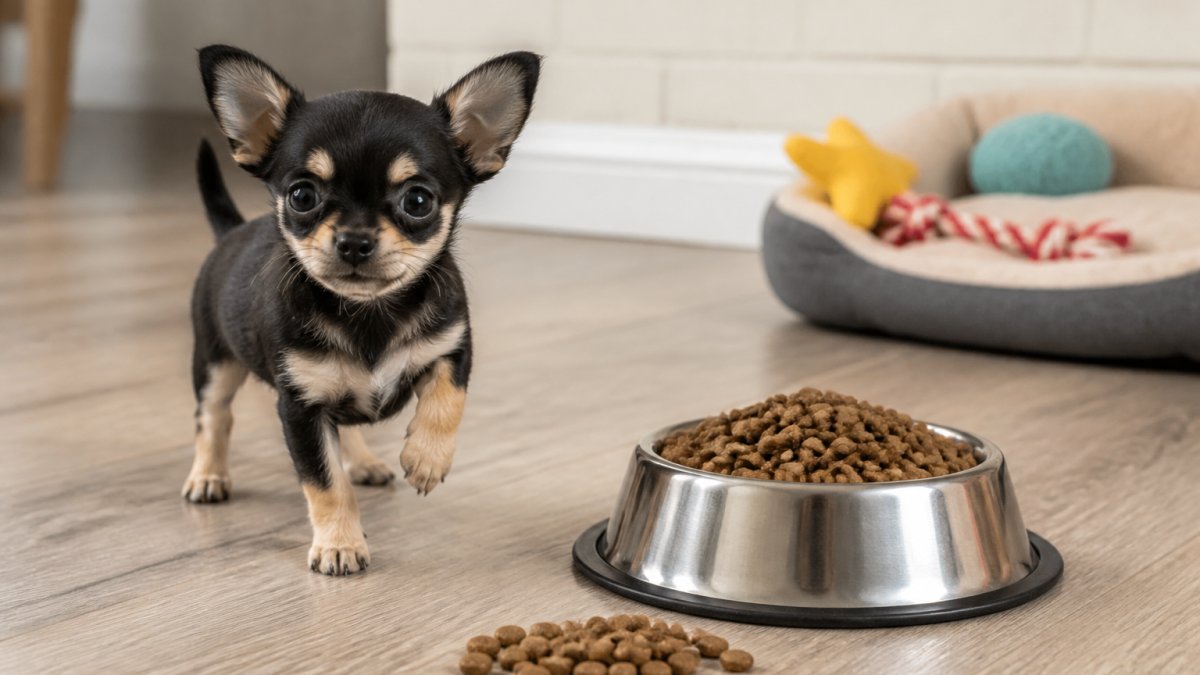
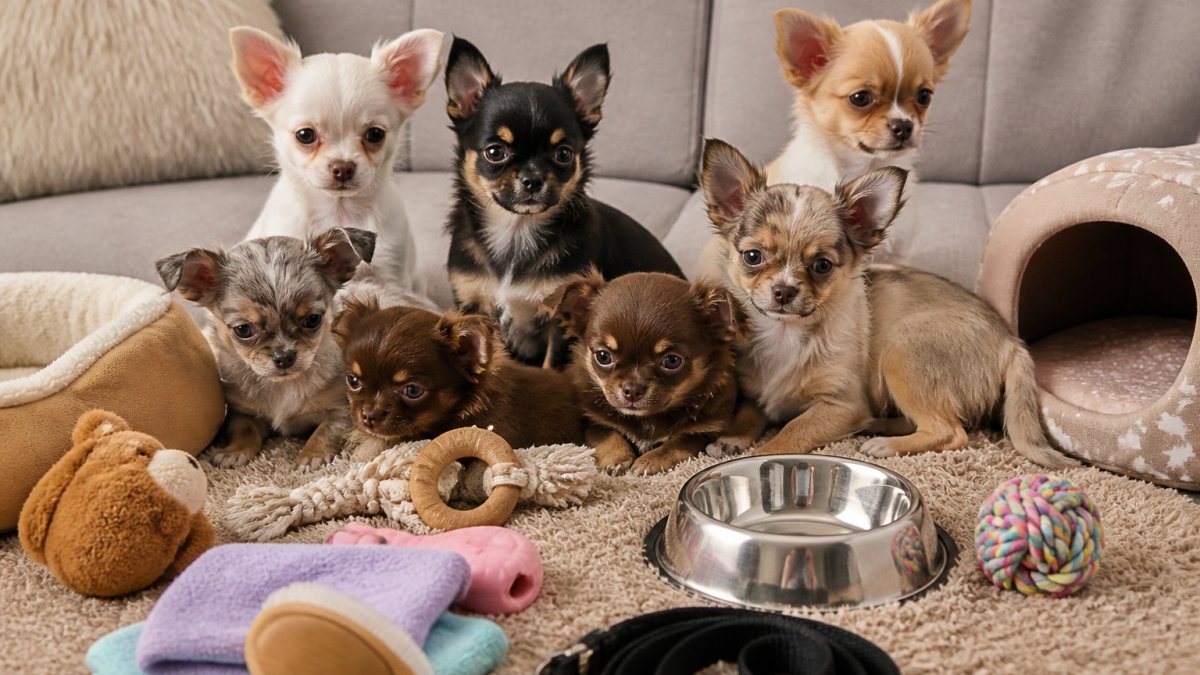
Start with the essentials. You'll need food and water bowls, a collar and leash, a crate for training, and a bed or blanket for sleeping. Chihuahuas are tiny, so their bowls and gear should match their size. Get puppy food that matches what the breeder has been feeding, switching foods too fast causes digestive upset.
Beyond gear, stock up on cleaning supplies. Paper towels, enzymatic cleaner, and puppy pads are non-negotiable. Accidents happen during the first weeks, and you need to clean them properly to prevent your pup from returning to the same spot.
Toys matter too, but keep it simple. Small, soft toys work best for Chihuahuas. Avoid anything with small parts that could break off and become a choking hazard.
Item | Why It Matters | Budget |
Food and water bowls | Proper size prevents spilling | $15-25 |
Collar and leash | Safety during walks | $20-40 |
Crate | House training tool | $40-80 |
Dog bed | Comfort and security | $30-60 |
Puppy pads | Accident cleanup | $15-30 |
Toys | Mental stimulation | $20-40 |
Enzymatic cleaner | Removes scent markers | $10-15 |
Pro Tip Buy your supplies before your puppy arrives. This prevents last-minute scrambling and lets you set up a calm environment before introducing your new family member.
Create a Chihuahua Puppy Checklist for Your First Days
The first few days with your Chihuahua puppy set the tone for everything ahead. Having a clear checklist keeps you organized and reduces stress for both you and your pup.
Start the day before arrival. Clean your home thoroughly. Wash the puppy pads, set up the crate in a quiet area, and place food and water bowls in an easy-to-reach spot. Your puppy needs to feel safe, not overwhelmed by chaos.
On arrival day, keep things calm. Let your puppy explore your home slowly. Don't invite everyone over immediately, too many people and voices stress a young pup. Stick to immediate family only for the first few days. Establishing a consistent routine during these initial quiet hours is much easier when you have already consulted a puppy arrival checklist to ensure every essential supply is ready for your new companion.
Establish a feeding schedule right away. Most puppies do well on three meals per day until they're about six months old. Feed at the same times each day. This consistency helps with potty training and gives your puppy a sense of routine.
Here's your first-week checklist:
Set up crate in a quiet, low-traffic area
Place puppy pads near the crate and in common areas
Introduce your puppy to their food and water bowls
Show your puppy where the outdoor potty area is
Keep initial visits calm, no large gatherings
Stick to the breeder's feeding schedule for at least one week
Observe your puppy's behavior and energy patterns
Create a safe play area with toys and blankets
Key Takeaway The first week is about building trust and routine, not training tricks. Your puppy needs to feel secure in their new home before learning commands.
How to Puppy-Proof Your Home for a Chihuahua
Chihuahuas are curious and surprisingly quick despite their tiny size. Puppy-proofing means thinking like a small dog and removing anything dangerous.

Start low and think small. Get down on your hands and knees and look around from your puppy's perspective. What can they reach? What looks like a toy but isn't? Chihuahuas can squeeze into tight spaces, so check behind furniture and under beds.
Remove hazards systematically. Secure electrical cords so your puppy can't chew them. Move cleaning supplies, medications, and toxic plants to high shelves or locked cabinets. Chihuahuas don't need much height to reach things, so "high" means higher than you'd think.
Use baby gates to block off rooms you're not supervising. This keeps your puppy in safe areas and prevents accidents in places you can't watch. Gates also help establish boundaries early.
Check your yard carefully. Fill any holes or gaps in fencing. Remove toxic plants like sago palms, lilies, and chocolate plants. Make sure your gate latches securely, Chihuahuas are escape artists.
Common household dangers for small puppies:
Loose buttons, coins, or small objects they can swallow
Chocolate, grapes, raisins, and xylitol (found in sugar-free products)
Open stairs without baby gates
Unsecured trash cans
Dangling cords from blinds or chargers
Pesticides or fertilizers in the garage
Watch Out Chihuahuas can choke on objects you'd never expect. Regularly sweep your floors and check under furniture for small items. A penny or button looks like a toy to a curious puppy.
Establishing a Chihuahua Puppy Potty Training Schedule
A consistent potty training schedule teaches your Chihuahua where to go and builds good habits fast. The key is predictability.
Young puppies need frequent breaks. A general rule: a puppy can hold their bladder about one hour for every month of age. A two-month-old puppy needs a break every two hours. This means frequent trips outside.
Take your puppy out at these times:
First thing in the morning
After meals (usually within 15-30 minutes)
After naps
After playtime
Mid-afternoon
Before bedtime
Stick to the same door and the same outdoor spot. Your puppy will recognize the cues and know what's expected. Use a command like "go potty" so your pup learns the phrase.
When your puppy goes outside, praise immediately and offer a small treat. Make it a celebration. Your puppy will connect the behavior with positive outcomes and repeat it.
Accidents will happen indoors. When they do, don't punish. Simply clean the spot thoroughly with enzymatic cleaner. Punishment creates fear and confusion, not learning.
At night, use puppy pads near the crate. Most Chihuahuas can sleep through the night by four to five months old, but every puppy is different. Be patient.
Potty training timeline:
Age | Frequency | Nighttime |
8-12 weeks | Every 2 hours | Use pads |
3-4 months | Every 3-4 hours | Pads or one break |
5-6 months | Every 4-5 hours | Usually through night |
6+ months | Regular schedule | Fully trained |
Your First Night with a New Puppy
Your puppy's first night away from their littermates is big. They'll feel alone and scared. Your job is to make the transition as smooth as possible.
Set up the crate in your bedroom, close to your bed. Your puppy needs to hear you and know they're not abandoned. The crate becomes their safe den, not a punishment box.
Place a soft blanket in the crate and add a toy or chew. Some puppies do well with a warm water bottle wrapped in a blanket, it mimics littermate warmth.
Before bed, take your puppy outside for a final potty break. Let them burn off energy with calm play. A tired puppy sleeps better.
Expect whining and crying. This is normal. Your puppy is adjusting to a new environment without littermates. Stay calm and patient. If your puppy cries, take them out for a potty break, then return to the crate without extra attention.
Don't give in to the urge to comfort constantly. Your puppy needs to learn that the crate is safe and that you always come back. Excessive comforting can actually increase anxiety.
Most puppies sleep through the night by four to five months. Until then, plan for at least one nighttime potty break.
Pro Tip Keep the first night low-key. Skip the celebration and big family gatherings. Your puppy needs quiet time to adjust, not overstimulation.
Introducing Your Puppy to Family and Other Pets
Introductions matter. How your Chihuahua puppy meets family members and other pets shapes their social skills for life.
Start with immediate family in a calm environment. Let your puppy approach people at their own pace. Don't force interaction or pick them up constantly. Some puppies are bold; others need time to warm up. Both are normal.
Teach children how to handle a small puppy gently. Chihuahuas are fragile. Show kids how to pet softly and hold the puppy correctly. Supervise all interactions between young children and your puppy.
If you have other dogs, introduce them slowly. Keep the first meeting in neutral territory if possible, not in either dog's space. Use a leash for both dogs. Let them sniff and investigate. Keep the interaction brief and positive.
Watch for signs of stress in your puppy: tucked tail, hiding, or excessive trembling. If your puppy seems overwhelmed, remove them and try again later.
If you have cats, use a baby gate to separate them initially. Let them see and smell each other without direct contact. Supervise all interactions until you're confident they're safe together.
Some important dos and don'ts:
Do keep early introductions short and positive
Do supervise all interactions with children and other pets
Do let your puppy set the pace
Don't force your puppy into uncomfortable situations
Don't allow rough play or handling
Don't introduce too many people at once
Setting Your Chihuahua Puppy Up for Success
Dreamer's Pups puppies arrive ready to thrive. They've been raised in a home environment, socialized with family, and prepared for the transition. Your job is to maintain that momentum.
Create a consistent routine. Puppies thrive on predictability. Same feeding times, same potty schedule, same bedtime. Consistency builds confidence and makes training easier.
Start basic training early. Sit, come, and leave it are foundational commands. Use positive reinforcement, treats and praise work better than anything else. Keep training sessions short, five to ten minutes.
Invest in socialization early. Expose your puppy to different sounds, surfaces, and experiences in a safe way. This builds a confident adult dog.
Before you bring your puppy home, know that Dreamer's Pups puppies come fully wormed and vaccinated with complete health records through our direct relationship with Revival Animal Health.
Remember that every puppy develops at their own pace. Some puppies potty train in weeks. Others take months. Some are bold explorers; others are cautious. There's no single "right" timeline, only what's right for your puppy.
The first few months set the foundation for your relationship with your Chihuahua. Be patient, stay consistent, and enjoy the process. You're building a bond that will last for years.
Bringing home a new Chihuahua puppy is a big responsibility, but it's also one of life's great joys. We're here to support you every step of the way. Ready to find your perfect puppy? Learn more about responsible puppy preparation and reach out to Dreamer's Pups to start your journey.
Frequently Asked Questions
What do I need before bringing home a Chihuahua puppy?
Start with food and water bowls, a crate for safe space and potty training, a bed or blanket, age-appropriate toys, and a collar with ID tag. You'll also need puppy food (ask your breeder what they've been feeding), cleaning supplies for accidents, and grooming basics like a brush and nail clippers. A first-aid kit designed for puppies is helpful too. Your breeder will provide documentation of all preventatives and vaccines your puppy has already received.
How often should a Chihuahua puppy go outside to potty?
Young puppies (8-12 weeks) need to go out every 2-3 hours during the day, plus immediately after meals, playtime, and naps. At night, expect 1-2 trips until around 4-5 months old. By 6 months, most puppies can hold it for 4-6 hours. Consistency is key, take your puppy out at the same times each day to build a routine and speed up house-training success.
Where should my Chihuahua puppy sleep on the first night?
A crate in your bedroom near your bed works best. This keeps your puppy safe, prevents accidents outside the crate, and lets them hear you nearby so they feel less alone. Line the crate with soft bedding and a blanket from their previous home if possible, familiar scents help them settle. If your puppy cries, resist picking them up; instead, stay calm and let them adjust to their new environment.
How do I know if a Chihuahua breeder is legitimate and not a puppy mill?
A reputable breeder like Dreamer's Pups will provide complete health records, documentation of all vaccines and preventatives, and a health guarantee. They'll ask you questions about your home and lifestyle, offer to stay in touch, and be willing to travel to meet your family. They raise puppies in a home environment with family and children, not in commercial kennels. Ask for references and look for transparency about their breeding practices and health commitments.
Submit
Comments