
Are Tennessee Chihuahua Breeders Worth Choosing?
Last Updated: November 5, 2026
Quick Summary
Choosing a chihuahua puppy from a Tennessee breeder is worth it when the breeder raises puppies at home, shows you the environment, and answers questions openly. Dreamer's Pups raises puppies in the family home, sources breeding lines from the East Coast to the West, and backs each puppy with a 1-year congenital health guarantee.
Ask how puppies are raised and handled, not just how they look.
Dreamer's Pups sources breeding lines from breeders across the East Coast to the West.
Fewer than 1% of puppies sold over 20+ years have had reported issues.
A 1-year congenital health guarantee replaces the puppy if a congenital issue arises.
Puppies are registered with the CKC, not the AKC.
Table of Contents
Choosing a Chihuahua Puppy from a Tennessee Breeder: Where to Start
Choosing a chihuahua puppy is one of the most consequential decisions a family makes, and the breeder you pick shapes the dog's health and temperament for years.
Start by asking how the puppies are raised, not just how they look. Many buyers focus on coat color and size, but a puppy's early environment influences how confident and adaptable it becomes.
Our breeding program is built to be transparent from the start. Browse our current black merle puppies. Our lines are sourced from breeders across the East Coast to the West, which keeps the bloodlines from being bred too closely together. Learn what to look for in lineage and genetics.
How to Tell a Reputable Breeder from a Puppy Mill or Backyard Operation
A reputable breeder is willing to show you where the puppies live, answer detailed questions and explain their breeding decisions without rushing you. Puppy mills and backyard operations usually do the opposite. They avoid visits, push for quick deposits and offer puppies in multiple colors and sizes at once.
Watch for these warning signs:
Puppies available year-round in large numbers
No visible adult dogs, or adults kept out of sight
Pressure to pay before you have met the puppy
Vague answers about parentage, feeding or early care
Our business model is deliberately small. We are a dedicated hobby breeder, not a commercial kennel, and we are not a puppy mill. That scale lets us know each puppy personally and keep the family environment intact.
Questions to Ask a Chihuahua Breeder Before You Commit
Good questions protect you and reveal how a breeder operates, but the value is in how you ask them and what you do with the answers. Treat the conversation as a two-way interview: you are checking whether the breeder's practices match their claims, and a serious breeder will treat your questions as a sign you are ready for a puppy rather than a nuisance.
Questions about the breeding program
How long have you been breeding, and how do you manage your lines to avoid close inbreeding? A strong answer describes a deliberate plan, where the breeding stock came from, how often new lines are introduced, and how pairings are chosen. A vague answer, or one that dodges the question, is a warning sign.
Can you walk me through the puppy's pedigree and explain why these two parents were paired? Ask to see the pedigree in writing, not just hear it described.
How many litters do you produce in a year, and how many adult dogs do you keep? Scale tells you a lot.
Where did your breeding stock come from? Our own program is built on lines sourced from breeders across the East Coast to the West specifically so our bloodlines are never bred too close, and we are glad to explain that strategy to any buyer who asks.
Questions about the puppy's early life and care
How are the puppies socialized before they go home? Listen for specifics: daily handling, exposure to household sounds, time with children and adults, and gradual introduction to new experiences.
What has the puppy already been exposed to at home, other animals, visitors, car rides, different floor surfaces? The more concrete the answer, the better the puppy's start.
What wormers, preventatives and vaccines has the puppy received, and can I see the records? Ask to take a copy home with you.
Who is your veterinary contact, and how do you handle a puppy that falls ill? A breeder should be able to name their vet and describe the relationship, including how preventive medications are authorized.
What does the puppy eat, on what schedule, and can you send me home with enough of the same food to transition gradually?
Questions about the sale and after-sale support
What does your health guarantee cover, for how long, and what are the exact steps if a covered issue arises? Ask for the written terms and read them before you sign anything.
What happens if the puppy does not work out for our family? A breeder who stands behind their dogs will have a clear answer rather than a shrug.
What registration papers will I receive, and what do they cover? Confirm the registry and what the paperwork documents before you commit.
Can I contact you with questions after I take the puppy home? The best breeders expect this and welcome it.
How to structure the visit
Ask to see the puppy with its littermates and, where possible, the mother. Observe how the puppies interact with each other and with the breeder.
Watch out: a breeder who refuses a visit, rushes you toward a deposit before you have met the puppy, or answers lineage questions only in generalities is showing you exactly how they will behave after the sale. Listen for specific answers, ask for records in writing, and do not let enthusiasm for a cute puppy override what the answers tell you.
Why Breeding Line Diversity and Socialization Matter in a Chihuahua Puppy
Breeding line diversity and early socialization are the two factors that most shape a puppy's long-term temperament and health. Read more about why diverse bloodlines matter. Diverse bloodlines reduce the risk of concentrating the same weaknesses in one dog, and socialization teaches a puppy how to handle the everyday world with confidence.

Our approach combines both. By sourcing breeding stock from widely separated breeders, we keep our lines from being bred too close. Within the home, puppies are handled daily and exposed to family life, which helps them grow into courageous, intuitive companions.
Over our 20+ year breeding history, we have had reports of issues in less than 1% of the puppies we have sold.
Early Socialization Tips for the First Weeks Home
The first few weeks in a new home set the pattern for the dog's adult behavior. Keep the early days calm and predictable, and introduce new experiences gradually.
Let the puppy explore one room at a time rather than the whole house at once.
Introduce household sounds, such as the vacuum or a doorbell, at low volume and increase slowly.
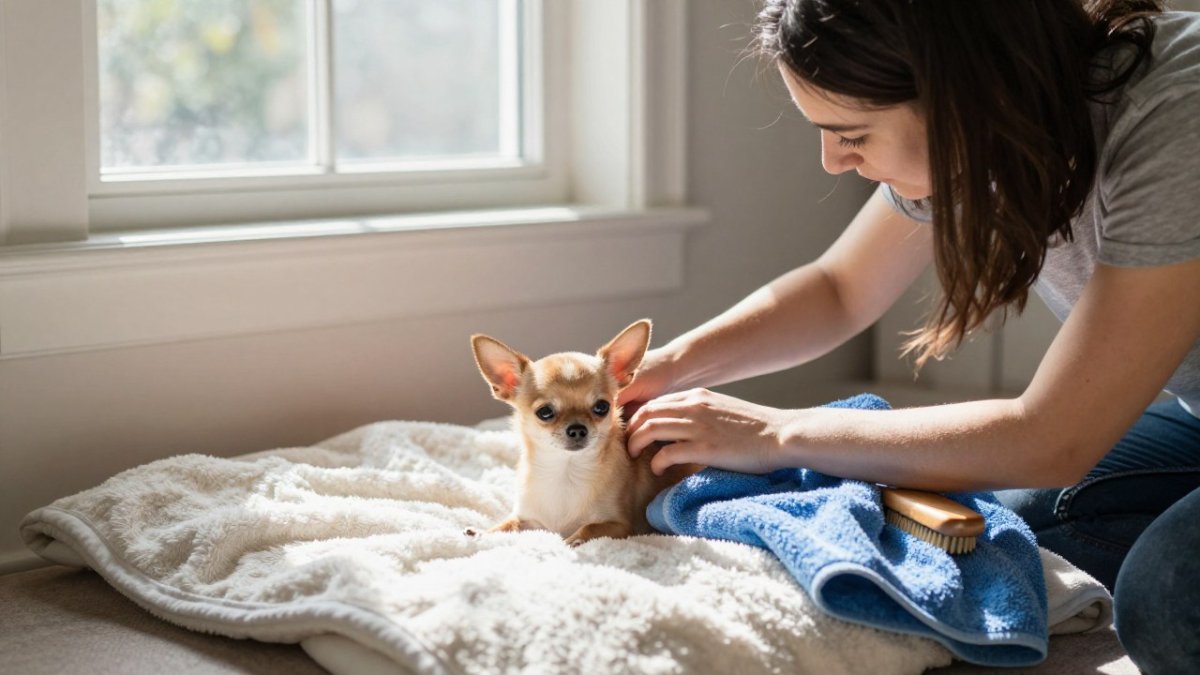
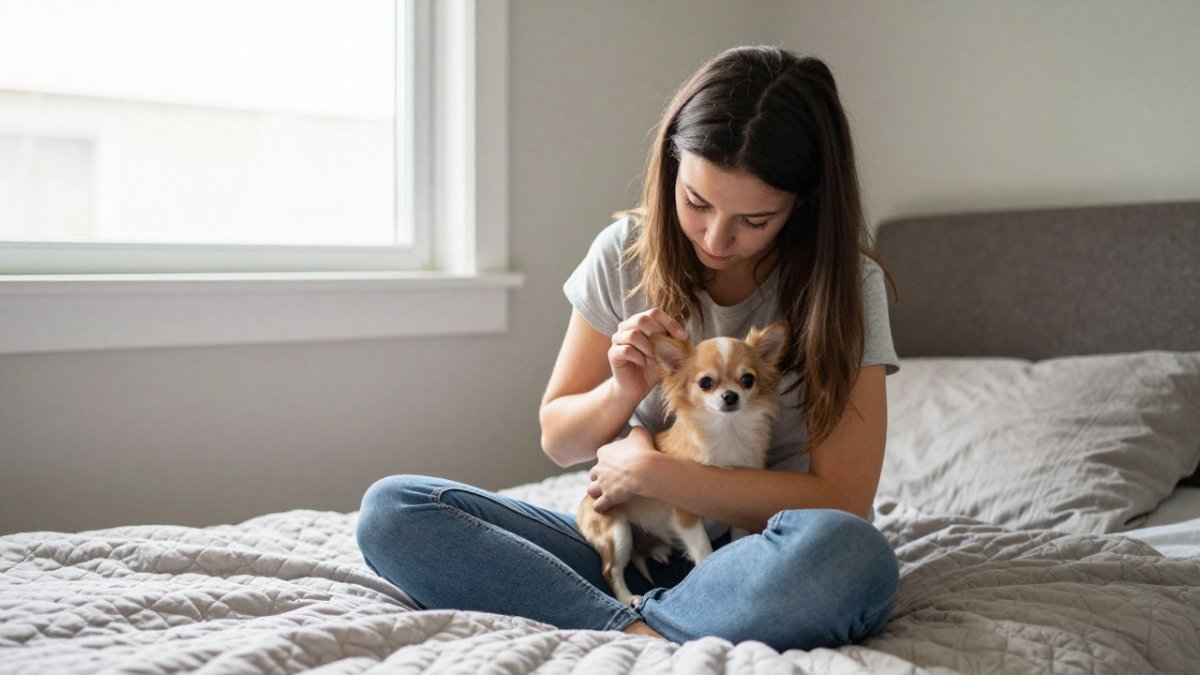
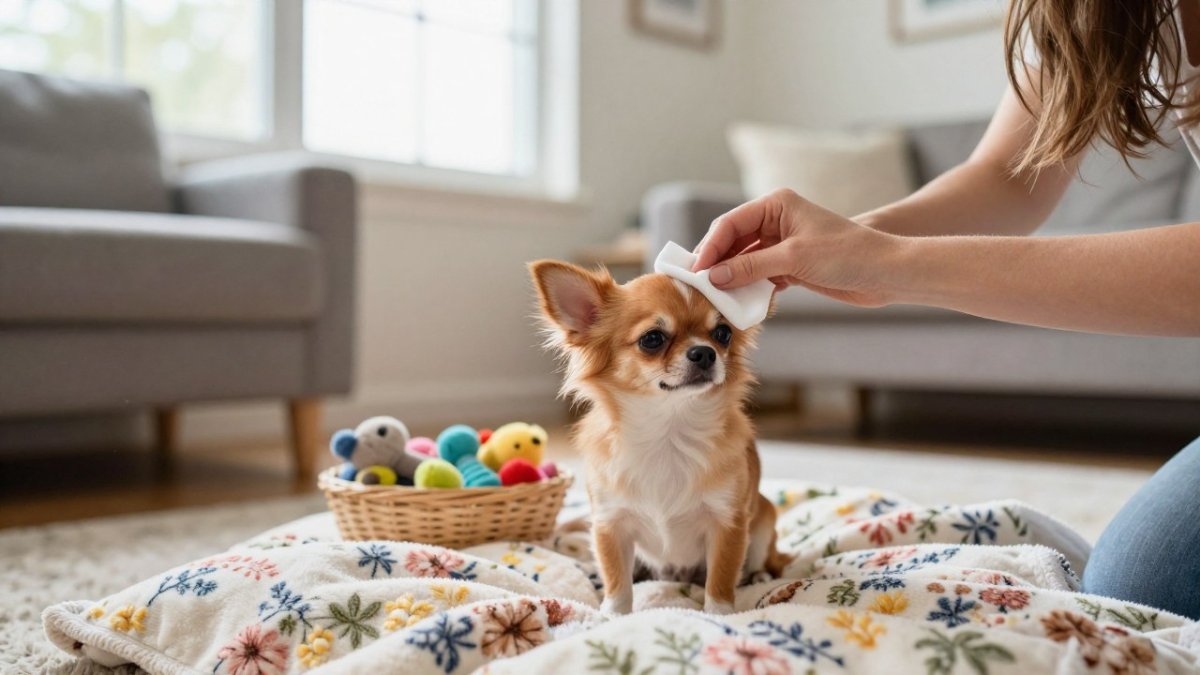
Handle the puppy's paws, ears and mouth gently so grooming and vet visits feel routine later.
Schedule short, supervised meetings with children, and teach kids to sit down and let the puppy approach them.
A new owner who is worried about nighttime restlessness or shivering should check the puppy's temperature, comfort and sleeping area first, then contact the breeder with any concerns. Explore common reasons a puppy shivers in its sleep.
CKC Registered Chihuahua Puppies: What the Paperwork Means
Registration papers tell you a puppy's recorded lineage, and they are worth understanding before you buy. Our puppies are registered with the Continental Kennel Club (CKC). We do not register our dogs with the American Kennel Club (AKC), so you should expect CKC papers when you bring your puppy home. Transparency regarding registration bodies mirrors the diligence required for selecting quality supplies to ensure your new companion thrives in its environment.
What registration papers do and do not tell you
A registration certificate records the puppy's parentage as reported by the breeder and confirms the puppy is entered in that registry's records. It is a lineage document, not a health document.
Different registries maintain different records and have different requirements for breeders. The AKC and the CKC are separate organizations with separate stud books, so a puppy registered with one will not carry papers from the other.
What to verify on the paperwork
The puppy's registered name and the names of both parents, matching what the breeder told you verbally.
The breeder's name as the recorded owner of the litter.
The registration type, some papers are full registration, others are limited, and the difference affects what you can do with the dog later.
Any conditions attached to the sale, which should appear in the written agreement rather than only in conversation.
Ask the breeder to walk you through each line of the paperwork and to explain anything you do not recognize. A breeder who is comfortable with the documents will do this without hesitation.
Why we register with CKC
Our program is a small, home-based hobby operation, and CKC registration fits how we work.
Watch out: registration papers are one part of the picture, not the whole picture. A puppy with impressive-looking papers and no written guarantee, no records and no willingness to answer questions is a worse bet than a puppy with modest paperwork and a breeder who stands behind their dogs.
Understanding Your 1-Year Congenital Health Guarantee and Vet Care Plan
We stand behind every puppy with a 1-year congenital health guarantee. If a congenital issue appears within that year, we will replace the puppy in accordance with the guarantee terms.
Our vet care approach is designed to protect your puppy from unnecessary exposure. We do not take healthy puppies to the vet, because veterinary offices are where sick dogs go.
If a puppy does fall ill, we take it to the vet.
The table below summarises the key points of our guarantee and vet care approach.
Item | Detail | Note |
Congenital health guarantee | 1 year | Puppy replaced per written terms |
Puppy sold reports with issues | Less than 1% | Over 20+ years of breeding |
Vet visits for healthy puppies | None | Avoids exposure to sick dogs |
Wormers, preventatives, vaccines | Revival Animal Health | Supplier to vet offices |
Vet relationship | Close, long-standing | Direct line and prescription authorization |
Bringing Your Chihuahua Puppy Home: Your Next Step
Bringing home a chihuahua puppy is a big step, and the right preparation makes the transition smoother for everyone. Browse available female puppies and reserve yours. Gather a crate or bed, food matching the puppy's current diet, and a list of questions for your breeder.
If you are ready to meet our puppies, Dreamer's Pups welcomes serious families. Browse our available puppies, ask about the current lineage, and reach out with any questions before you commit. For current availability and pricing, contact us directly through our website.
Frequently Asked Questions
How can I tell if a breeder is running a puppy mill?
Look for a breeder who raises puppies inside the home, lets you visit where the dogs live, and answers questions openly without pressure. Puppy mills often sell through pet stores, online listings, or classified ads, keep many dogs in crowded conditions, and avoid showing the parents. A reputable breeder will talk about the puppy's parents, breeding history, and home environment, and will expect you to ask detailed questions before any deposit changes hands.
What does a 1-year congenital health guarantee cover?
A congenital health guarantee covers conditions present from birth that appear within the guarantee period. If a congenital issue arises during the first year, the breeder can replace the puppy under the terms of the agreement. Read the contract closely to see what qualifies, what documentation is required, and how a claim is handled. Ask the breeder to explain the process before you sign so there are no surprises later.
Do I need a CKC registered Chihuahua puppy?
CKC, the Continental Kennel Club, is a registry that records a puppy's lineage. Registration confirms the parentage listed on the paperwork but does not guarantee health or temperament on its own. Ask the breeder which registry they use, request copies of the registration papers, and confirm that the puppy's name and ownership transfer are handled before you take the puppy home.
What should I expect after bringing a Chihuahua puppy home?
Expect a short adjustment period as the puppy learns its new routine. Keep the first days calm, set up a consistent feeding and potty schedule, and introduce household members and sounds gradually. Early socialization, gentle handling, and short positive experiences help a Chihuahua become confident. Ask your breeder for guidance on house-training and follow-up support, since a good breeder will want to know how the transition is going.
Comments